Discover Fish Finder for Sale with High Accuracy
Fish Finder Installation Tips: Making the Most of Your Equipment
Installing a fish finder effectively is essential for enhancing its capabilities. Appropriate adjustments to screen settings, detection levels, and frequency can greatly boost effectiveness. Additionally, learning installation methods and sonar configurations can have a significant impact. Many anglers miss important factors that can lead to suboptimal results. Exploring common pitfalls and proven methods will provide valuable insights for all fishing hobbyists looking to improve their experience on the water.
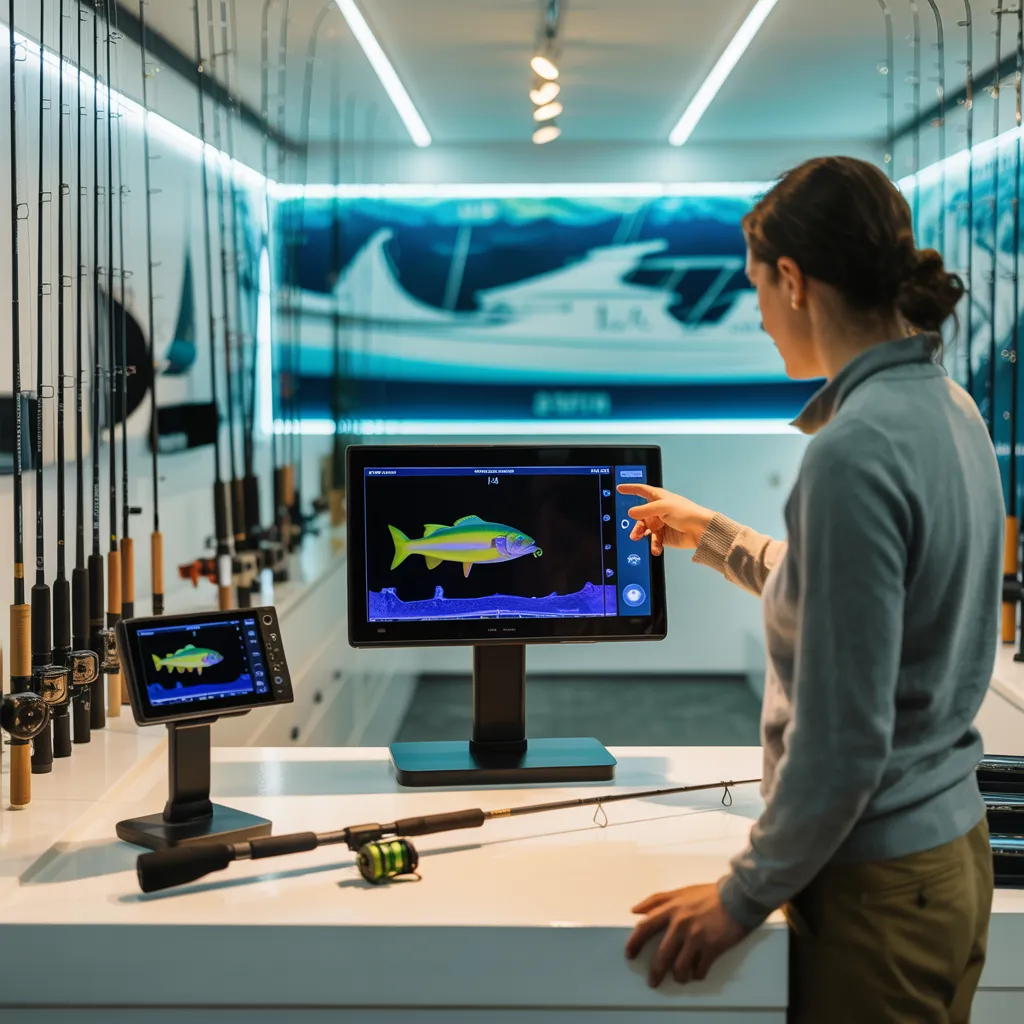
Adjusting Your Fish Finder Display for Optimal Clarity
A well-configured fish finder display is vital for efficient fishing. The sharpness of the display has a direct impact on a fisherman's ability to detect fish locations, water depth, and underwater structures. Correctly setting brightness and contrast settings can greatly enhance visibility, especially in varying light conditions. Additionally, choosing the right color palette assists in identifying between distinct fish species and underwater structures.
Employing the zoom function can also help focus on certain points of focus, providing a more detailed view of the aquatic surroundings. Fish finders should familiarize themselves with their equipment's interface and symbols, as grasping these components enables faster analysis of the information displayed.
Additionally, keeping the screen clean and unhindered is crucial for preserving a clear view. By following these measures, fishing enthusiasts can optimize the performance of their fish finder, contributing to a more rewarding fishing outing.
Fine-Tuning Sensitivity and Frequency Settings for Success
Achievement in fishing often copyrights on the accurate configuration of sensitivity and frequency settings on a fishfinder. Sensitivity determines the device's ability to detect objects and fish in the water. If set too low, it may fail to detect important targets; when set too high, it might create unnecessary interference, causing confusion. Anglers should start with a moderate sensitivity setting and slowly fine-tune depending on environmental factors, such as water depth and visibility.
Frequency settings also play an important role. Lower frequency settings reach greater water depths, rendering them effective for finding fish at increased depths, while higher frequency settings offer enhanced resolution in shallower zones. Anglers are encouraged to experiment with these settings, observing how modifications impact their results. By fine-tuning sensitivity and frequency, users can enhance their fish-finding capabilities, ultimately increasing their chances of a successful fishing trip.
Picking the Perfect Fish Finder for Your Fishing Goals
Choosing the ideal fish finder is crucial for maximizing fishing success, as diverse types and features accommodate a variety of fishing environments and techniques. Fishermen must first assess the type of fishing they are looking to do—saltwater or freshwater, offshore or inshore. For instance, a compact unit may be well-suited for kayakers who fish, while a stronger, setup-ready model works well for sizable watercraft.
Additionally, the operating frequency of the fish-finding device is critically important. Higher frequencies offer detailed images in shallow water conditions, while lesser frequencies reach greater depths, making them suitable for fishing in deeper waters. Furthermore, features such as GPS integration, chartplotting, and side imaging capabilities can enhance the fishing experience, helping anglers to more effectively navigate and locate fish.
At the end of the day, comprehending individual fishing requirements and preferences will shape the selection process, ensuring that the right fish finder boosts overall fishing performance and enjoyment.
Mounting Your Fish Finder Like a Pro
Installing a fish finder demands thoughtful attention to a number of important elements. Choosing the perfect placement, ensuring the wires are firmly in place, and calibrating the angle appropriately can substantially increase the device's performance. These presentation steps guarantee that the fish finder runs smoothly and produces dependable measurements.
Choose Optimal Location
When evaluating the ideal location for a fishfinder, it's essential to balance accessibility and functionality. The unit should be mounted in a location that allows for easy viewing while handling the watercraft. A proper spot is generally at the helm or near the console, ensuring the angler to quickly glance at the screen without losing focus on navigation. Furthermore, the mounting bracket should be secure to reduce vibrations that may compromise the device's performance. It's also important to consider the screen orientation; a slight tilt can boost readability in direct sunlight. Ultimately, selecting a location that reduces obstructions while maximizing accessibility will greatly enhance the overall fishing experience.
Properly Secure Your Wiring
Organizing wiring correctly is critical for ideal fish finder efficiency and durability. Disorganized or loose wiring can lead to electrical disruption and deterioration. It is important to guide the wiring precisely along the boat's structure, steering clear of rough edges that may cause abrasion. Employing cable ties or mounting clips can help maintain cable organization and stability. Furthermore, making sure all connections are properly sealed will guard against moisture damage and electrical issues. When possible, tuck wiring within the boat's structure or under trim panels to minimize exposure to the elements. A properly arranged cable setup not only boosts operational efficiency but also contributes to a cleaner, more professional-looking installation. Above all, careful consideration of wiring organization can greatly impact the fish finder's overall efficiency.
Set the Angle Properly
Accurately positioning the angle of a fishfinder is essential for enhancing its efficiency on the water. The sonar transducer must be mounted correctly to provide accurate data and peak sonar function. Generally, it should be positioned at a slight downward inclination, enabling the sonar waves to move through the water column effectively. This positioning can change based on the vessel's velocity and the water conditions. A standard recommendation is to aim for about ten to fifteen degrees below the horizontal plane. In addition, confirming that the sensing device is clear of blockages, such as debris or turbulence, will improve reading accuracy. Regularly monitoring and correcting the positioning, especially when changing locations or conditions, will help preserve the fish finder's reliability and accuracy.
CHIRP vs. Traditional Sonar: What You Need to Know
Grasping the distinctions between CHIRP and conventional sonar is crucial for those who fish aiming to elevate their fishing experience. Classic sonar operates by delivering a single frequency pulse, which can lead to less detailed images and constrained depth capability. This approach may fail to distinguish between fish and subsurface formations, which may result in missed opportunities.
By comparison, CHIRP sonar, which stands for Compressed High-Intensity Radiated Pulse broadcasts a wide spectrum of frequencies at the same time, producing more detailed and accurate images of underwater life. This innovative approach facilitates enhanced target differentiation, making it easier to identify fish size and depth. CHIRP also provides better performance in various water conditions, delivering precise information regardless of water depth.
Ultimately, selecting between CHIRP and traditional sonar is based on an angler's specific needs and fishing environments. Examining these variations can greatly influence the efficiency of a fish finder and enhance the overall fishing experience.
How to Interpret Fish Finder Readouts Like a Pro
Reading fishfinder readings can greatly enhance an fisherman's effectiveness on the water. Comprehending the various indicators and hues shown is important. For instance, fish frequently show up as arcs or marks; the shape and size can denote their size and depth. A solid indicator commonly signifies a fish, while a narrow line may suggest smaller species or baitfish.
Water depth measurements allow anglers to pinpoint precise layers where fish tend to be most active, like the regions near submerged structures or the thermocline. Additionally, identifying the bottom type—be it hard or soft—may significantly impact the chosen fishing technique.
Fine-tuning sensitivity settings produces cleaner images, decreasing noise that could hide significant details.
Ultimately, recognizing patterns of movement in the screen output can reveal groups of fish, helping anglers to place their lure efficiently. By perfecting these interpretations, anglers can considerably enhance their odds of catching fish successfully.
Top 5 Mistakes to Avoid When Setting Up Your Fish Finder
Successfully interpreting fish finder displays optimizes your fishing approach, but the setup process can substantially affect overall results. A frequent error is overlooking the calibration of the fish finder according to local conditions, which can lead to inaccurate readings. Another typical misstep involves improper transducer placement; if not mounted correctly, it can lead to weak signal quality. Anglers frequently neglect to adjust sensitivity settings, which may lead to missing critical underwater features. Moreover, ignoring firmware updates can hinder the device's functionality, leaving it underperforming. In addition, numerous anglers ignore the necessity of secure power supply links, which can cause inconsistent operation. By preventing these common mistakes, anglers can get the most from their fish finder and elevate their angling success.
Questions We Often Receive
What Are the Best Ways to Maintain My Fish Finder for Longevity?
To keep a fish finder for long-term use, consistently clean the sensor unit, shield it from harsh temperatures, ensure appropriate storage, update firmware, examine all cables for damage, and prevent exposure to saline water without sufficient rinsing.
Can I Use My Fish Finder in Saltwater?
Absolutely, fish finder units are suitable for use in saltwater. However, it's essential to verify that the equipment is compatible with saltwater use to protect against corrosion and maintain optimal performance in saltwater conditions. Regular maintenance is recommended as well.
What Are Some Common Troubleshooting Tips for Fish Finders?
Standard troubleshooting guidelines for fish finders consist of checking power connections, confirming the transducer is correctly installed, adjusting sensitivity settings, evaluating display settings to improve clarity, and confirming the device is running the latest available software.
How Can I Update My Fish Finder's Software?
To upgrade a fish finder's firmware, one should link the device to a computer, obtain the most recent firmware from the manufacturer's website, and comply with the given installation directions for a successful update.
Are There Add-Ons That Improve Fish Finder Performance?
Absolutely, numerous accessories can enhance fishfinder effectiveness. Transducer upgrades, protective covers, and power units enhance performance, while mounting systems and screens optimize ease of use. These upgrades provide better readings and an improved performance on the water.